
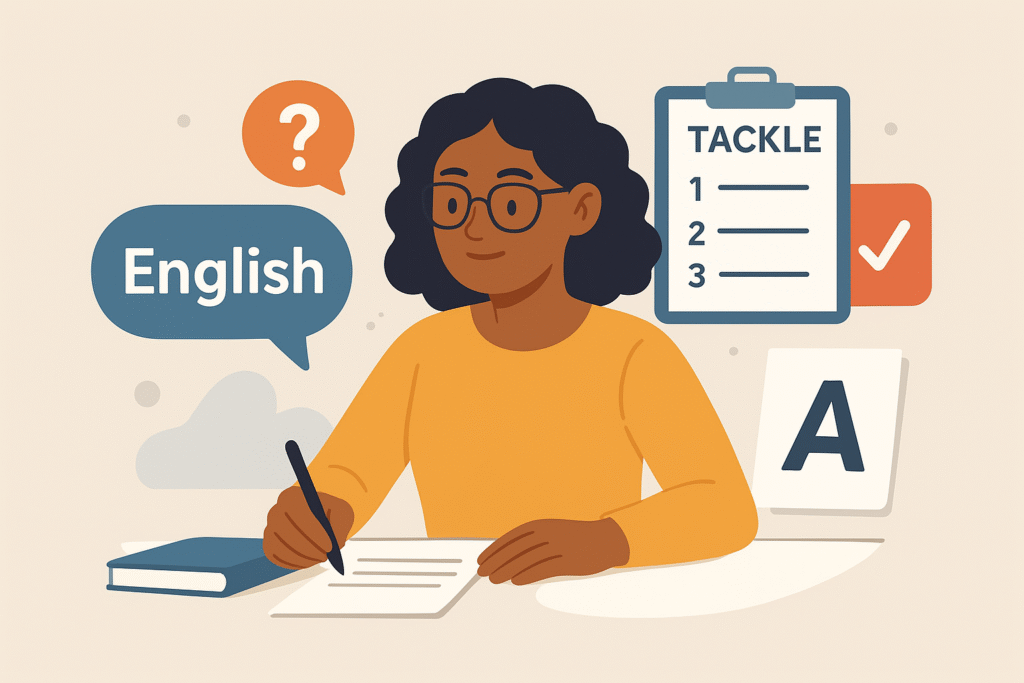
Introduction — Understanding the Power of English Communication
English isn’t just a language; it’s a bridge that connects people, ideas, and opportunities. Whether you’re a student, a professional, or someone navigating global communities, the ability to express yourself in English opens countless doors. Yet, many learners face real challenges—from grammar confusion to speaking anxiety. Learning how to tackle challenge through English language means not just improving skills, but changing how you approach communication itself.
Common Challenges Faced While Using the English Language
Grammar and Vocabulary Limitations
Many learners struggle with grammar rules and limited vocabulary. Words may seem endless, and knowing which one fits can be confusing. Building a rich vocabulary and understanding grammar in context helps you express ideas clearly and confidently.
Pronunciation and Accent Issues
Accents vary around the world, and pronunciation often becomes a barrier to being understood. The solution lies in listening and mimicking—watching native speakers, using pronunciation tools, and practicing daily can make a big difference.
Confidence and Communication Anxiety
Even when you know the words, fear of making mistakes can hold you back. Overcoming this fear requires practice in safe spaces—study groups, online platforms, or friendly conversations—where errors are seen as progress, not failure.
Why English Language Skills Are Crucial in Solving Modern Challenges
English as a Tool for Problem-Solving
English is the language of technology, science, and global dialogue. Understanding instructions, sharing ideas, or negotiating—all require effective English skills. The better you communicate, the easier it becomes to find and share solutions.
Global Collaboration and Networking
In a connected world, success often depends on working with people from different countries. English acts as a universal medium, allowing you to exchange knowledge and build international relationships.
10 Effective Ways to Tackle Challenges Through the English Language
1. Build a Strong Vocabulary Base
Learn a few new words daily. Apps like Anki or Quizlet help you memorize and review efficiently. Understanding how words are used in context is more valuable than rote memorization.
2. Improve Grammar Through Practice
Use grammar tools like Grammarly or English Grammar Online to refine your writing. Practice through short essays or emails to make rules second nature.
3. Engage in Real Conversations
Join English-speaking groups or use platforms like Tandem to find conversation partners. Real-time speaking practice boosts fluency faster than passive learning.
4. Use English Media for Immersion
Movies, podcasts, and books in English expose you to natural expressions and culture. Try watching with subtitles, then without, to challenge comprehension.
5. Think in English Daily
Instead of translating from your native language, try thinking in English. Describe your surroundings, make plans, or reflect in English—it builds mental fluency.
6. Join English Discussion Groups
Participate in forums, clubs, or online debates. Engaging with others helps you gain confidence, learn idioms, and improve listening comprehension.
7. Keep a Journal in English
Writing about your day helps structure your thoughts. Over time, your grammar, vocabulary, and sentence flow improve naturally.
8. Learn from Feedback and Mistakes
Treat every correction as a lesson. Record yourself speaking, ask for feedback, and track progress regularly.
9. Take Online English Courses
Enroll in structured programs on platforms like Coursera or edX. They provide guidance, interactive lessons, and certifications to validate your progress.
10. Stay Consistent and Motivated
Consistency beats intensity. Even 15 minutes a day can make a lasting impact if done regularly.
Real-Life Examples of Overcoming Barriers with English
Many professionals and students worldwide have transformed their lives by improving English. From international scholarships to global careers, their progress started with daily small steps—reading news articles, joining online groups, and practicing without fear.
Expert Tips for Continuous Improvement
Incorporating English into Professional Life
Use English in meetings, emails, and presentations. It strengthens your professional image and enhances global opportunities.
Using English in Academic Growth
Write essays, conduct research, and present in English whenever possible. The more you use the language, the sharper your analytical and communication skills become.
FAQs About Tackling Challenges Through English Language
1. How long does it take to become fluent in English?
It depends on consistency, but most learners notice progress within 3–6 months of daily practice.
2. What’s the best way to improve English vocabulary?
Learn 5–10 words daily and apply them in sentences to retain better.
3. Can watching movies improve my English?
Absolutely. Movies expose you to real-life conversations and cultural expressions.
4. How do I overcome my fear of speaking English?
Start small—practice with friends or record yourself. Gradually build confidence by joining English-speaking communities.
5. What’s the best online platform for learning English?
Coursera, BBC Learning English, and Duolingo are excellent for structured learning.
6. How can I practice English if no one around me speaks it?
Use online communities, apps, and video chats with learners worldwide.
Conclusion — The Journey from Struggle to Confidence
Learning how to tackle challenge through English language isn’t just about mastering grammar—it’s about finding your voice. Every word learned and every conversation practiced brings you closer to confidence and success. Stay curious, stay consistent, and let English become your tool for opportunity.